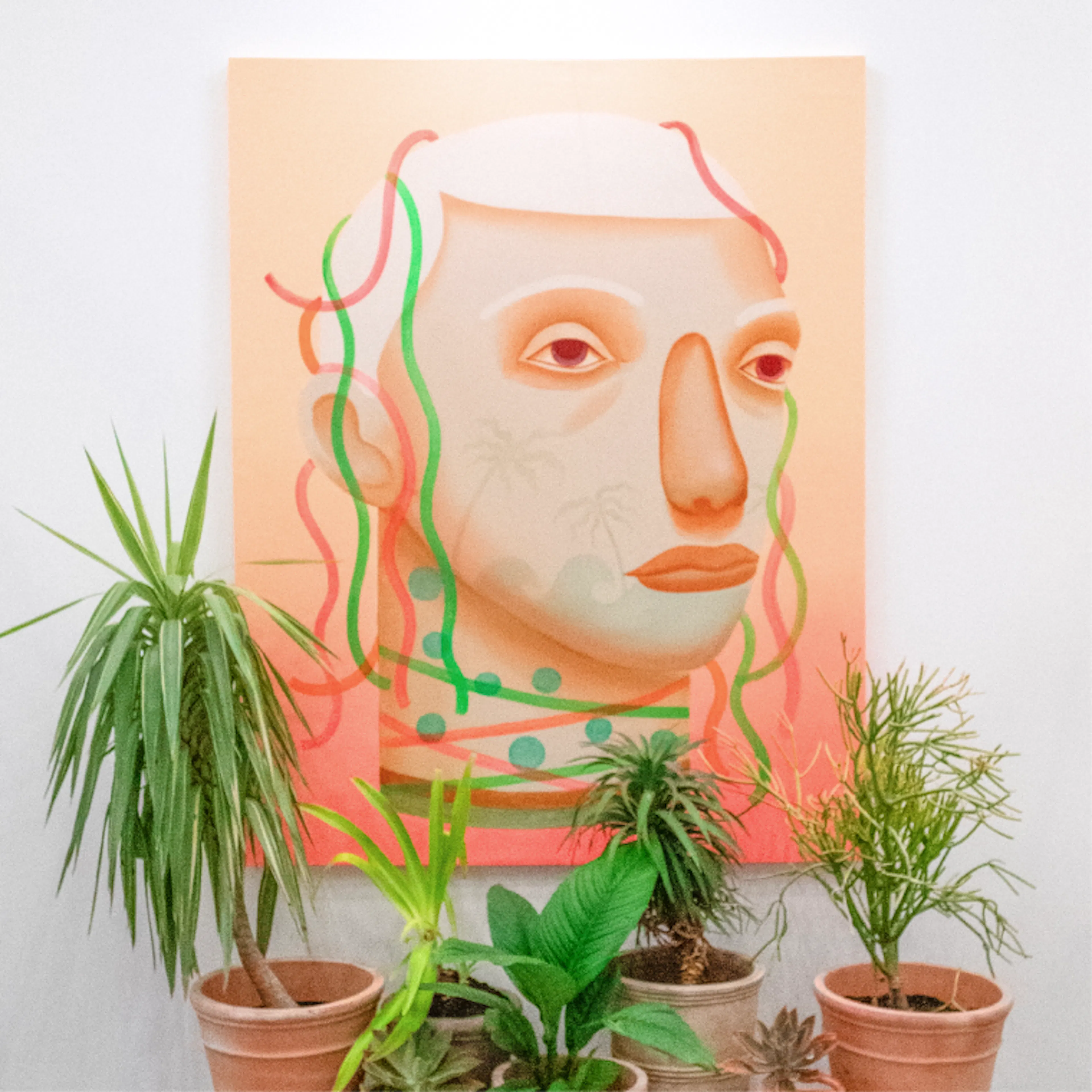
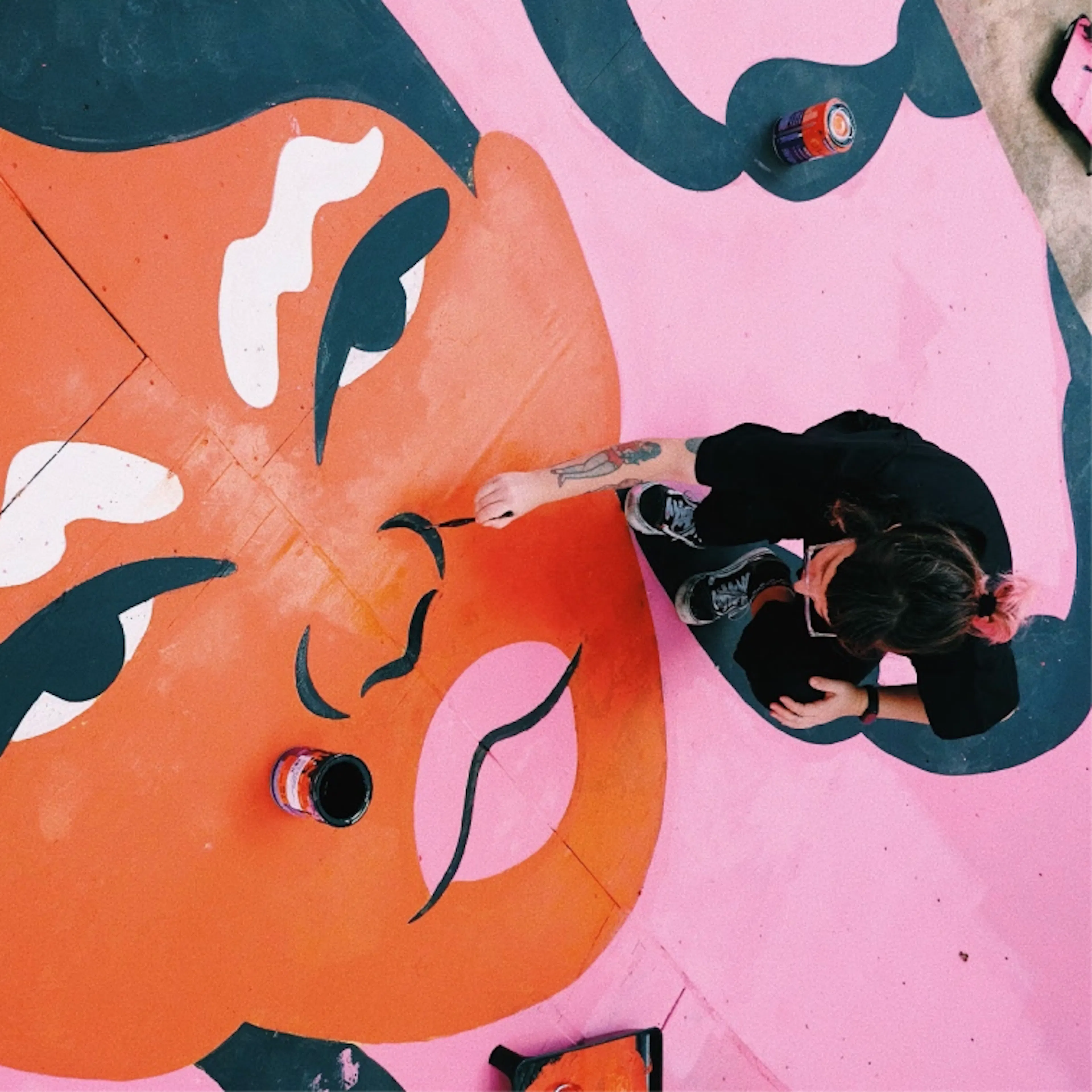
Aprender Design

Jul 24, 2026

Brazilian Creatives We Love: Camila Rosa

Aprender Design

Aprender Design

School

How are Brazilian creatives redefining design globally? In this series, we interview Brazilian designers and creatives working in the international market.

Bringing insights, worldviews, challenges and sharing journeys that inspire and connect.


Meet Camila Rosa, Artist and Illustrator.

1) Hey, Camila! How are you doing? Could you tell us a bit about yourself? Where were you born, and is there anything from your childhood that still influences your work today?


Hi! I'm doing well, thanks. :) I'm Camila Rosa, an illustrator, designer, and visual artist originally from Joinville, an industrial city in southern Brazil.

A lot of different parts of my life have shaped the work I make today, but when I think about my childhood, what stands out the most are my big family gatherings. My maternal grandmother had fifteen children, so you can imagine how lively everything was growing up. I was always observing people, and one thing that really stayed with me was how the women in my family naturally took the lead. They were the ones holding everything together, making decisions, and keeping the family moving forward. Even after my grandmother passed away many years ago, that dynamic never really changed. Looking back, I think that's naturally connected to my work today and to my interest in drawing women and putting them at the center of my images.

Beyond that, my teenage years had an even bigger impact on who I became. That's when I discovered the punk and hardcore scene in my hometown, and it completely changed my life. I spent those years going to shows, organizing concerts, playing in bands, traveling around Brazil to see live music, meeting people, discovering new bands, and attending talks that permanently changed the way I see the world.

A lot of what I believe today comes from that period. It shaped my views on feminism, animal liberation, anti-racism, and social justice, and I'm still very much connected to that community. It gave me not only a creative identity but also a critical perspective on the world, and I think those values naturally find their way into everything I create.

2) How did your journey into illustration and design begin? Was there a particular moment when you realized this was the path you wanted to follow?


My journey has gone through many different phases. As I mentioned before, the punk and hardcore scene taught me a lot. One of the biggest lessons was the DIY mindset, the idea that you don't have to wait for permission to create something. It also taught me the importance of community and collaboration, and naturally sparked my interest in art and design. I had learned the graphic design basics as a teenager because my brother worked as a digital designer. That's how I first became familiar with Adobe software and started designing posters for punk shows and social movements back home.

But before college, I studied Industrial Design at a technical school for a year, so choosing Industrial Design in college felt like the natural next step. I was still living in Joinville, where many manufacturing companies are based, and I knew there would be more career opportunities there. After graduating, I spent several years working in the manufacturing industry, first creating CAD drawings for production and later as an industrial designer.

Toward the end of college, I joined a female-led street art collective in my hometown. That experience completely changed my perspective because it showed me that illustration could actually be a career. We worked on a few public art projects together, and for the first time, I could imagine making a living creating more personal and original work.

By the time I graduated, I already knew I didn't want to stay in Joinville, work in manufacturing companies, or continue as an industrial designer. So I quit my job and moved to São Paulo to start over and try to become an illustrator. At the time, it felt like a pretty unrealistic dream. To support myself, I started working at a graphic design and illustration studio.

From 2012 to 2016, I worked at design studios and advertising agencies in São Paulo and Curitiba while developing my own illustration practice in my spare time. Then, in 2016, I had the opportunity to live in New York for the first time, and that's what I consider the turning point in my career.

Soon after arriving, I left design behind, put together a small illustration portfolio with personal work and a few independent projects, and started emailing art directors, magazines, newspapers, brands, and creative collectives introducing myself as a freelance illustrator. At the same time, I kept making work and sharing it on Instagram, which back then was an incredible platform for illustrators. It became both my portfolio and a way to connect with other artists who were just starting out.

Little by little, it worked. One project led to another, and I've been working as a freelance illustrator ever since. Of course, it's been a long journey with plenty of ups and downs, but today I feel confident that I made the right decisions at the right moments.

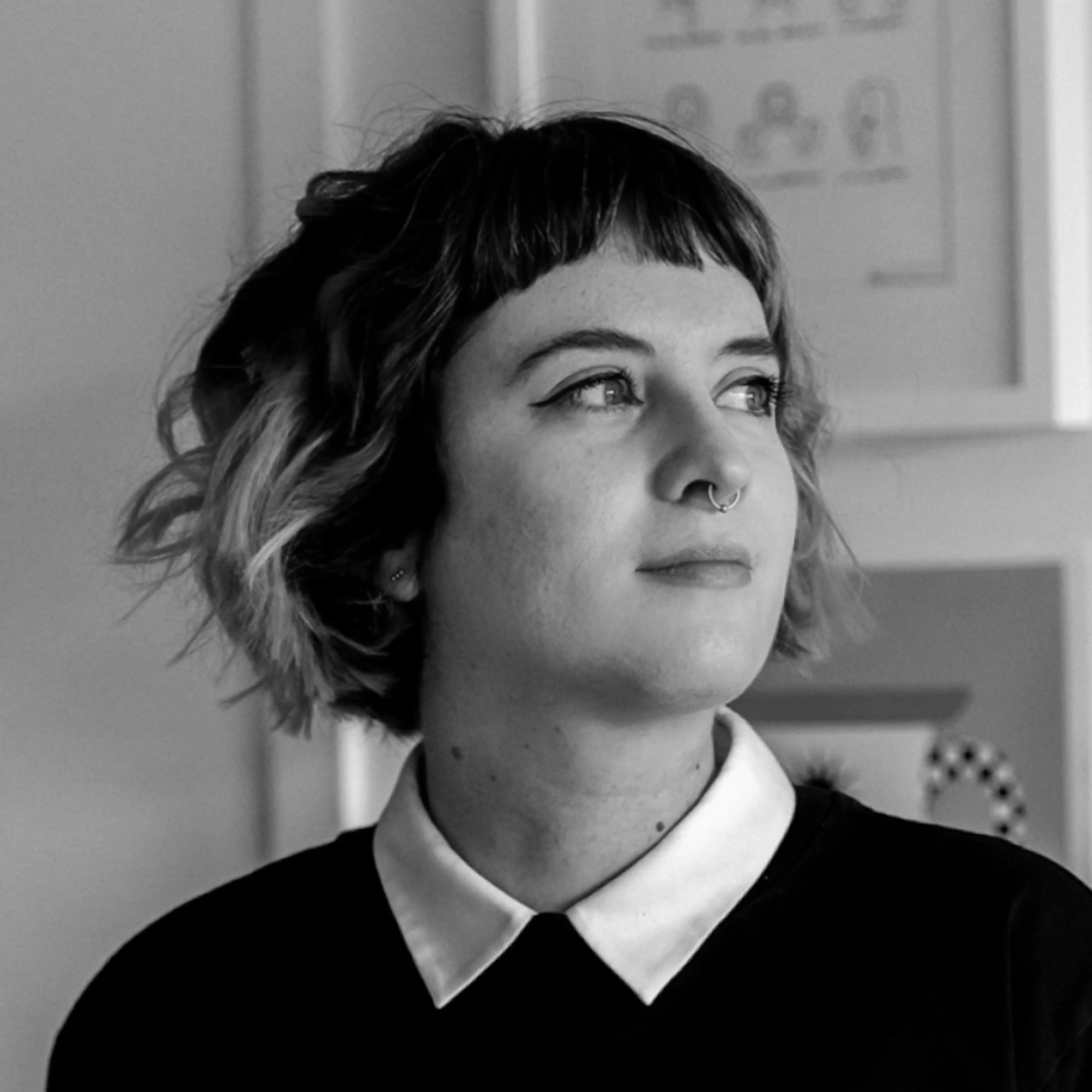
3) Who or what has shaped the way you think about illustration and design? How much do your Brazilian roots influence your work?

I could probably spend hours naming artists, illustrators, and so many other people who have inspired me, but I think what shaped me first wasn't a specific artist, it was an idea.

The punk and hardcore scene gave me a sense of freedom and the confidence to simply make things. Reading zines, watching friends' bands, organizing concerts and talks without expecting anything in return, just because we felt the need to create something, that taught me more than any formal education ever could. It completely changed the way I see creativity and the world around me.

As for my Brazilian roots, I think they're deeply embedded in my work, even in ways I don't always notice. I see them in my characters, in the way I use color, in the expressive shapes, and in the energy of my compositions. It's part of a visual vocabulary that comes naturally from growing up in Brazil. Sometimes we don't even realize it's there until we compare our work with artists from other parts of the world. Then you start to understand how much of your cultural background has been part of your visual language all along.

4) When did working internationally become part of your journey? Was it something you planned, or did it happen naturally?

My international work really began in 2016, when I moved to New York for the first time. It wasn't something I had planned at all.

My partner and I simply wanted to experience living abroad for a while, and New York happened almost by chance. As I mentioned before, I had already been doing illustration work in Brazil, but I was still balancing it with a career in design. Moving to New York was the moment I decided to focus entirely on illustration.

When I moved back to Brazil in 2018, I had already met many people in the creative industry in New York, and those relationships naturally continued. Over time, they grew even stronger. After the pandemic, remote work became much more common, which made international collaborations feel even more accessible.

By the time I got back to New York in 2023, not much had changed professionally because my career had already become international. I simply kept working with clients in Brazil, the United States, and across Europe. It all happened very organically.

5) Has being a Brazilian creative working abroad changed the way you see your work or yourself? What challenges/opportunities has that brought?


For sure! It wasn't until I left Brazil that I really began to understand my own identity, what it means to be Brazilian, what it means to come from a country that's often labeled as part of the "Global South," and how that shapes the way you're perceived by others, especially here in the United States.

At the same time, living abroad made me appreciate Brazil even more. It helped me recognize so many of the qualities we have as a country and as a society, and how advanced we are in many ways, even though we often don't see it ourselves. I think Brazilians are taught to underestimate our own culture and to believe that what's coming from somewhere else is automatically better. That lack of confidence affects the way we see ourselves, and it definitely influences our creative work.

On a personal level, it took me a long time to feel comfortable calling myself an artist. That might sound simple, but it was a huge shift for me. Of course, there have been challenges too. The language barrier was one of the biggest. Today I feel much more comfortable speaking English, but that insecurity still shows up from time to time.

At the same time, being a Brazilian Latina living abroad has also opened doors. It naturally places you in a different position, and sometimes that's exactly what clients are looking for. My perspective and lived experience have become part of what I bring to my work, and many opportunities have come precisely because of that.

6) What does your creative process usually look like?


Every project starts with research. I like to gather references and immerse myself in the subject until I really understand what the project is about. That process helps me feel comfortable with the topic and makes it much easier for ideas to start taking shape.

From there, I usually sketch ideas in my sketchbook whenever I have enough time to explore. That's not always possible with tight deadlines, but whenever I can, I like to begin by drawing on paper.

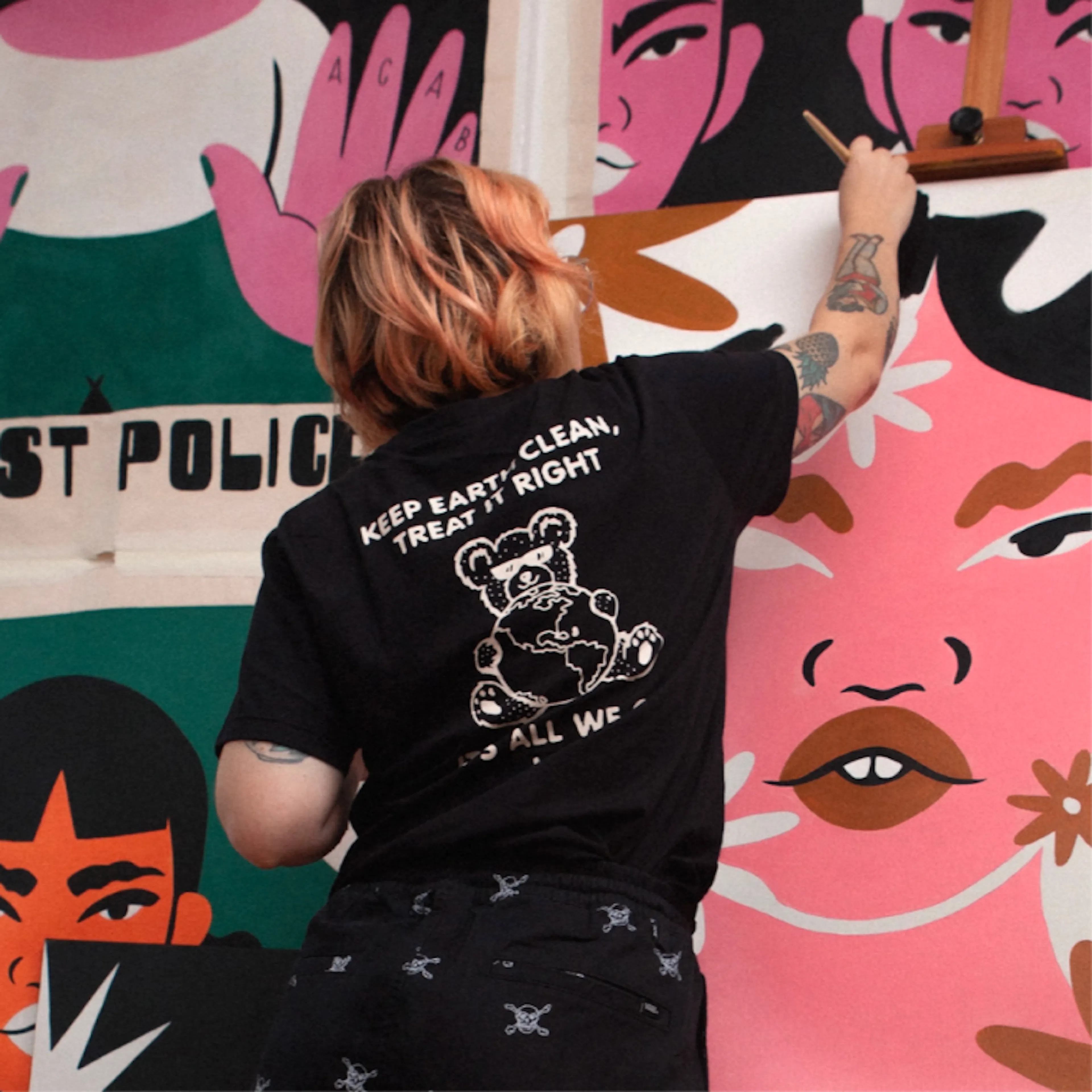
After that, I move to my iPad to develop digital sketches, which I share with the client for feedback. Once a direction is approved, I recreate the artwork as vector illustrations in Adobe Illustrator, present a few color palette options, and, after the final direction is chosen, I prepare the finished files for delivery. That's pretty much how my client projects usually work.

Personal projects are much more intuitive. Sometimes an idea comes from something I saw on the street, an exhibition, a song, a conversation, or simply a feeling. The final medium depends on what I want to make that day, it could become a painting, a digital illustration, a ceramic piece, or something completely different. For me, the medium is never the starting point. What matters most is finding the best way to express the idea.

7) Your work is instantly recognizable for its use of color and expressive forms. How did your visual language develop over time?

It developed through a lot of experimentation and references. There's a documentary about OSGEMEOS that I really love, where they talk about how they developed the visual language they're known for today. They explain that it came from mixing everything they admired. You might be inspired by the way one artist draws faces, the pose from another, the colors from someone else. Then you combine all of those influences with your own interests, your personality, and your identity. Over time, something that's completely your own begins to emerge. That really resonated with me because my process has been very similar.

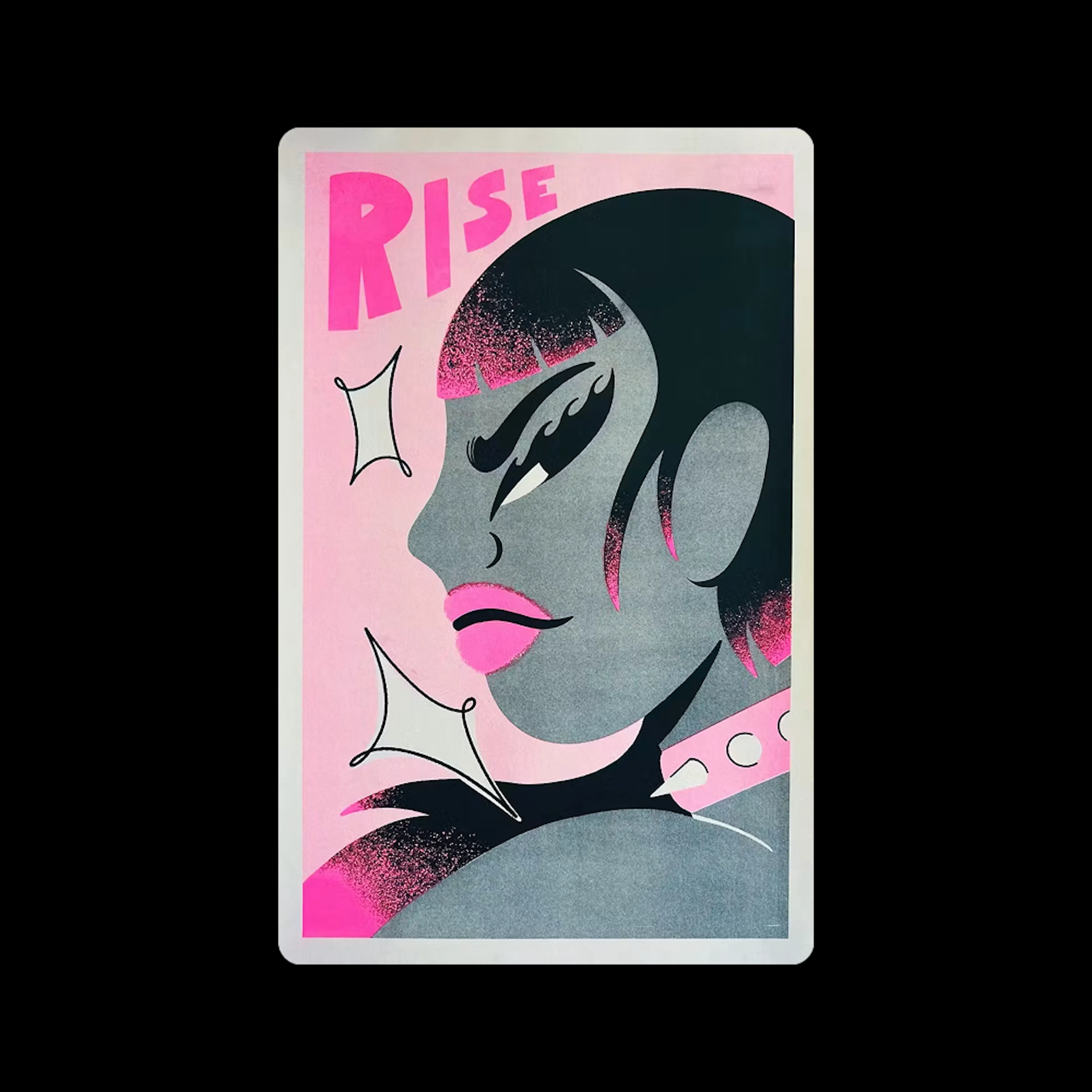
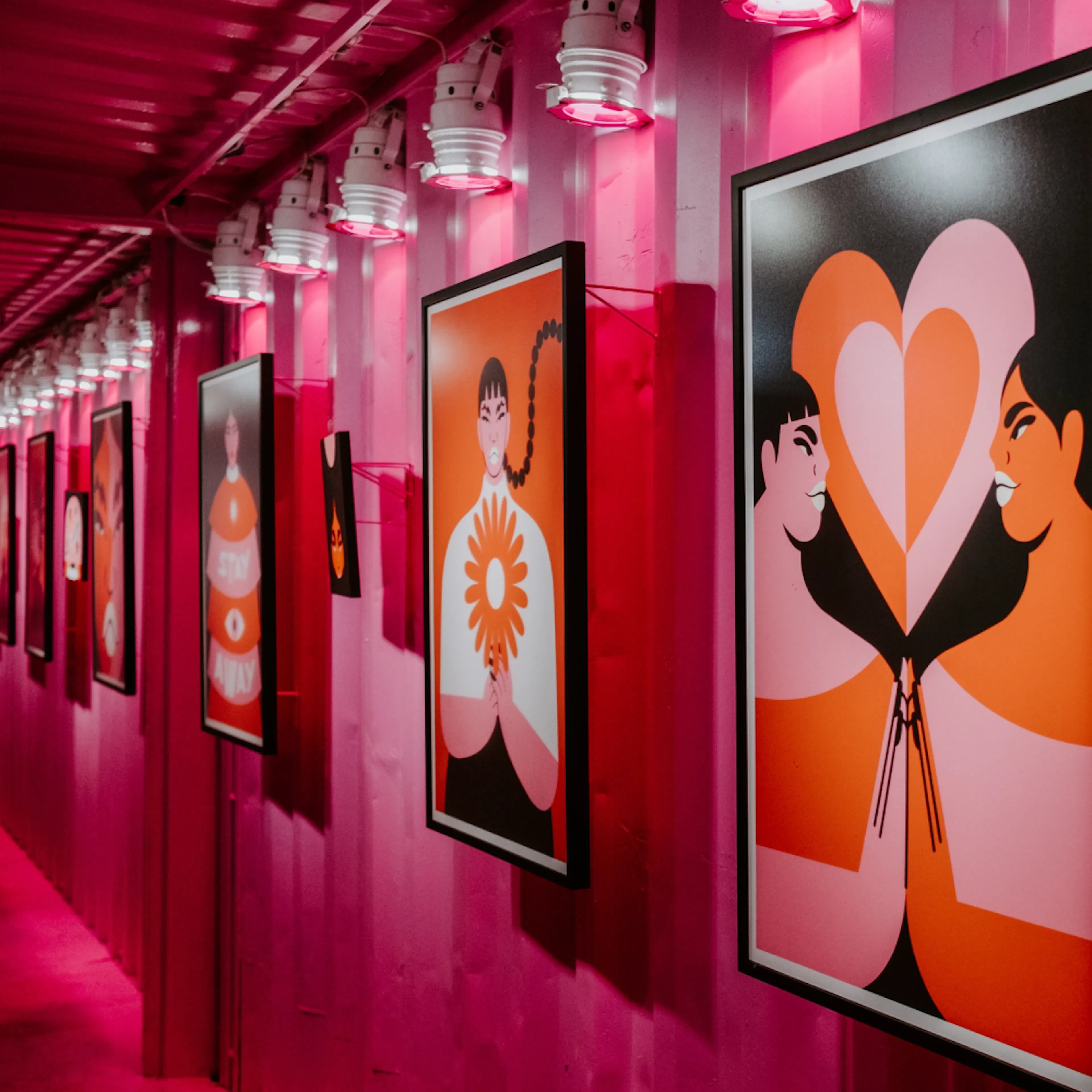
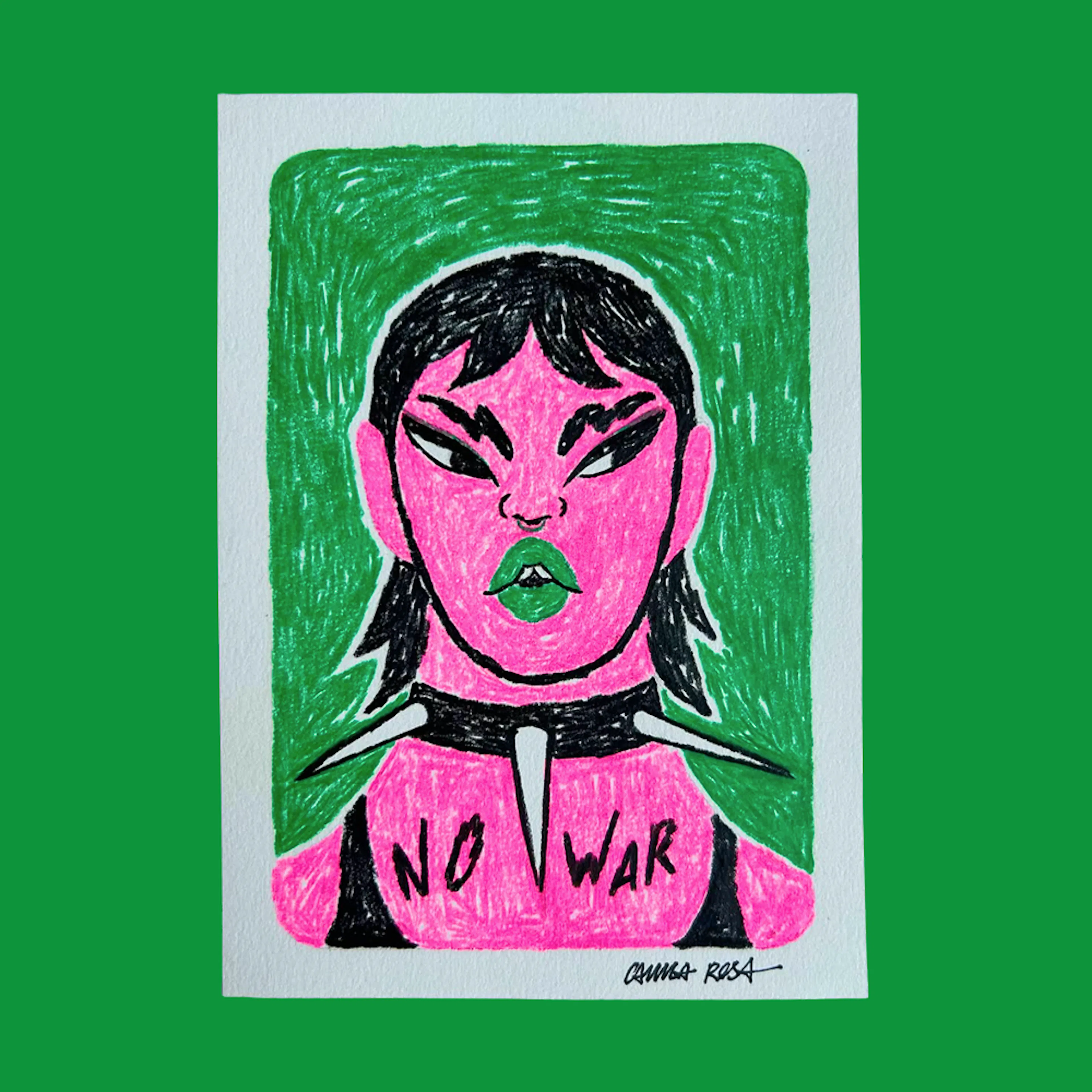
Early on, I was intentionally trying to create characters that felt connected to my own world. The hairstyles, the body types, the colors, the accessories, even the words that appeared in my illustrations, all of those elements came from my own life. I wanted to find a way to translate that world into my illustrations. I also don't think a visual language is ever truly finished. I always feel like there's something new to explore, something I could push further. I'm never completely satisfied with where my work is, and honestly, I'm not sure if that's a good thing or a bad thing hahaha. But I do think that sense of curiosity keeps me evolving and encourages me to keep making new work.

8) How do you make space for play and exploration while working professionally?

Whenever I have time between projects, I like to learn something completely new. This year, for example, I decided to explore ceramics more seriously, so I took a short course. It was a great experience. Lately, I've been challenging myself to learn new skills without worrying about what they'll lead to, without thinking about a finished product or how they might fit into my career. Making space for that kind of pressure-free experimentation has become really important to me.

For a long time, I approached every new skill by asking myself, What will this be useful for? What will I get out of it? I'm trying to let go of that idea and stop measuring learning by its usefulness. It's still a challenge for me, but it's been a really valuable exercise. The less pressure I put on myself to be productive all the time, the more freedom I find in my creative work.

9) Many young illustrators worry about "finding their style." Do you think style is something we search for, or something that develops naturally through practice? What was that process like for you?

I think it's both. Your style develops through practice, but it also comes from intentionally searching for what you want to create. You have to feed yourself with all kinds of references, not just illustration, but museums, films, theater, books, music, your everyday life, your family, your friends, your experiences, your interests. All of that becomes part of your visual language because, to me, style is deeply connected to who you are.

That's how it happened for me. I spent years experimenting and combining everything I loved. I kept practicing, but I only started feeling truly happy with my work when it began to reflect who I was, my interests, the things I cared about, and what I wanted to say through my art.

Over time, I realized that having something to communicate was just as important as developing a recognizable visual style. For me, illustration has always been a way of expressing ideas, not just making beautiful images.

10) Are there any projects in your portfolio that feel especially meaningful to you? We'd love to hear the story behind them.

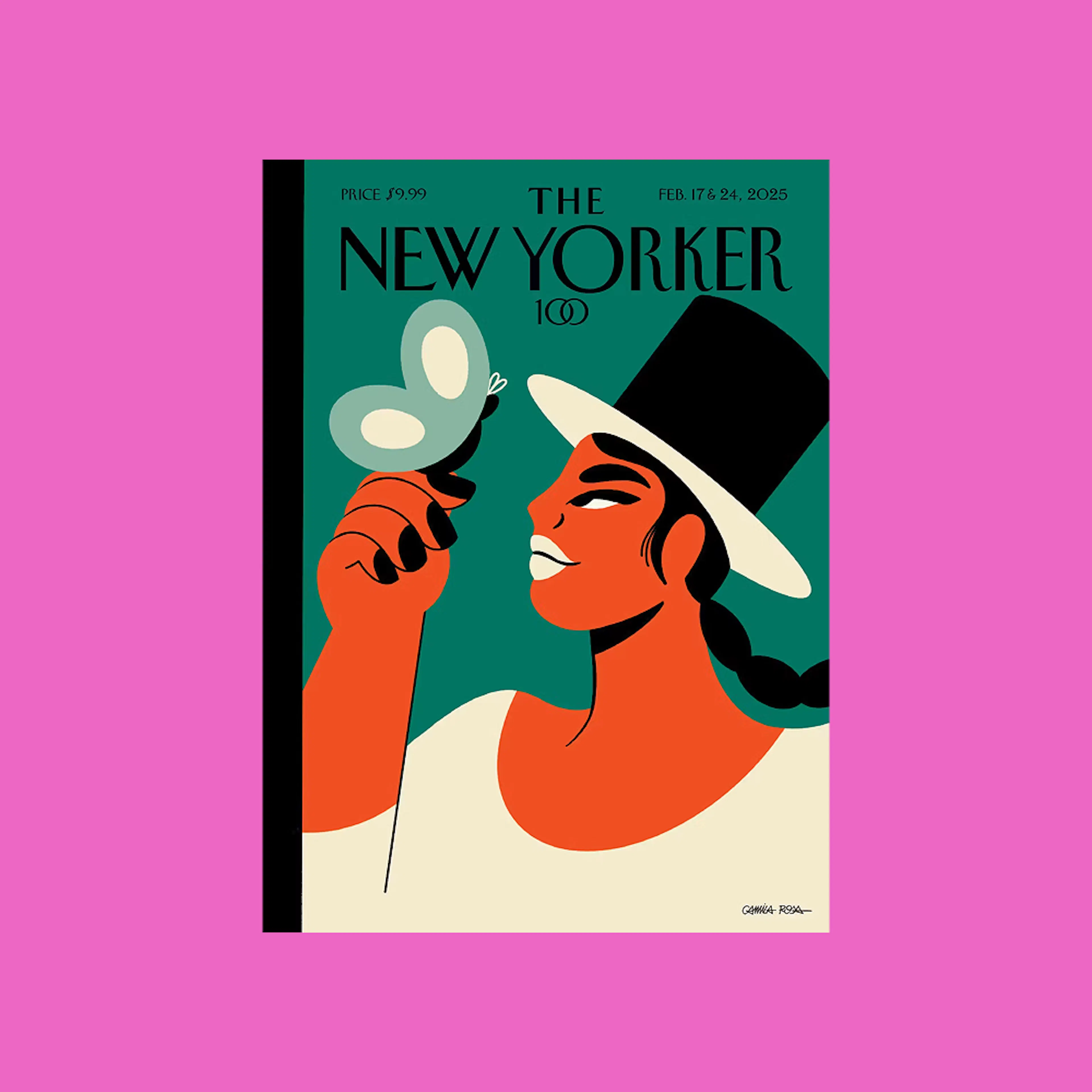
There are quite a few projects that are especially meaningful to me, particularly the ones that marked important moments in my career. But if I had to choose one, it would definitely be my cover for The New Yorker. That project happened in February 2025, and it was an unforgettable moment.

First, because creating a cover for The New Yorker is a dream for so many illustrators. Ever since I first learned about the magazine, I understood how iconic it was and what it represents in the illustration world. Second, because I had the opportunity to contribute to one of its most significant issues: the magazine's 100th anniversary edition.

What made it even more meaningful was being able to place a Latina woman on the cover at a moment when the United States was beginning to intensify its anti-immigration policies, many of which disproportionately affected Latino communities. As an immigrant, a woman, and a Latina myself, having that image appear at that particular moment meant far more than just reaching a career milestone. It felt deeply personal.

11) What advice would you give to someone hoping to build a career in illustration today?

Draw what genuinely interests you, and never stop making things by hand. Illustration is an incredibly competitive field today, and there are so many talented artists creating beautiful work and that can also sometimes look very similar. That's why I think it's so important to make work that reflects who you are instead of chasing trends.

I'd also encourage people to find their community. Those relationships are incredibly valuable, not just emotionally, but professionally too. Your community is often what connects you to clients, brands, organizations, and opportunities that align with the kind of work you want to do. Having people who genuinely support your journey can make all the difference.

12) Can you recommend a book and a song that have inspired you recently?

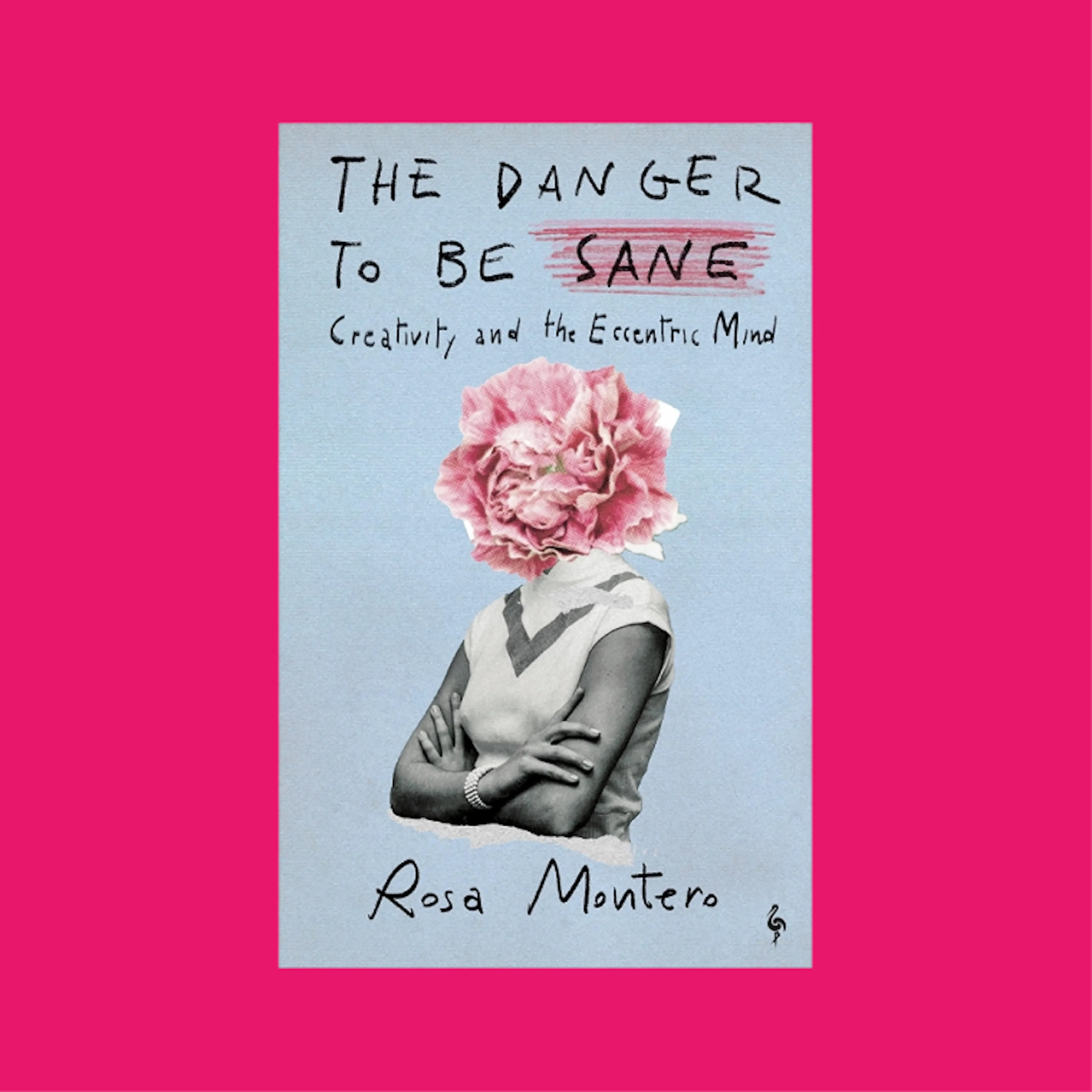
One book that had a big impact on me recently is The Danger of Being Sane by Rosa Montero. Another artist, Henri Campeã, recommended it on socials, and I connected with it immediately. The way Rosa Montero writes about the relationship between creativity and sensitivity really resonated with me. It made me feel less alone in the way I experience art and the creative process.

As for music, I'd choose Hang Up the Telephone by Haywire. I loved the music video, it's incredibly nostalgic, and it left me feeling really inspired to draw my characters.

13) Is there a Brazilian creative whose work you think more people should know?

I'd choose Finok. He's already very well known within the graffiti and contemporary art world, but I think more people in illustration and design should discover his work.

He's an incredible artist who started with graffiti, and today his work has expanded far beyond the streets into galleries and exhibitions around the world. His sculptures are probably my favorite part of his practice.

Follow Camila Rosa on Instagram and visit her website.